
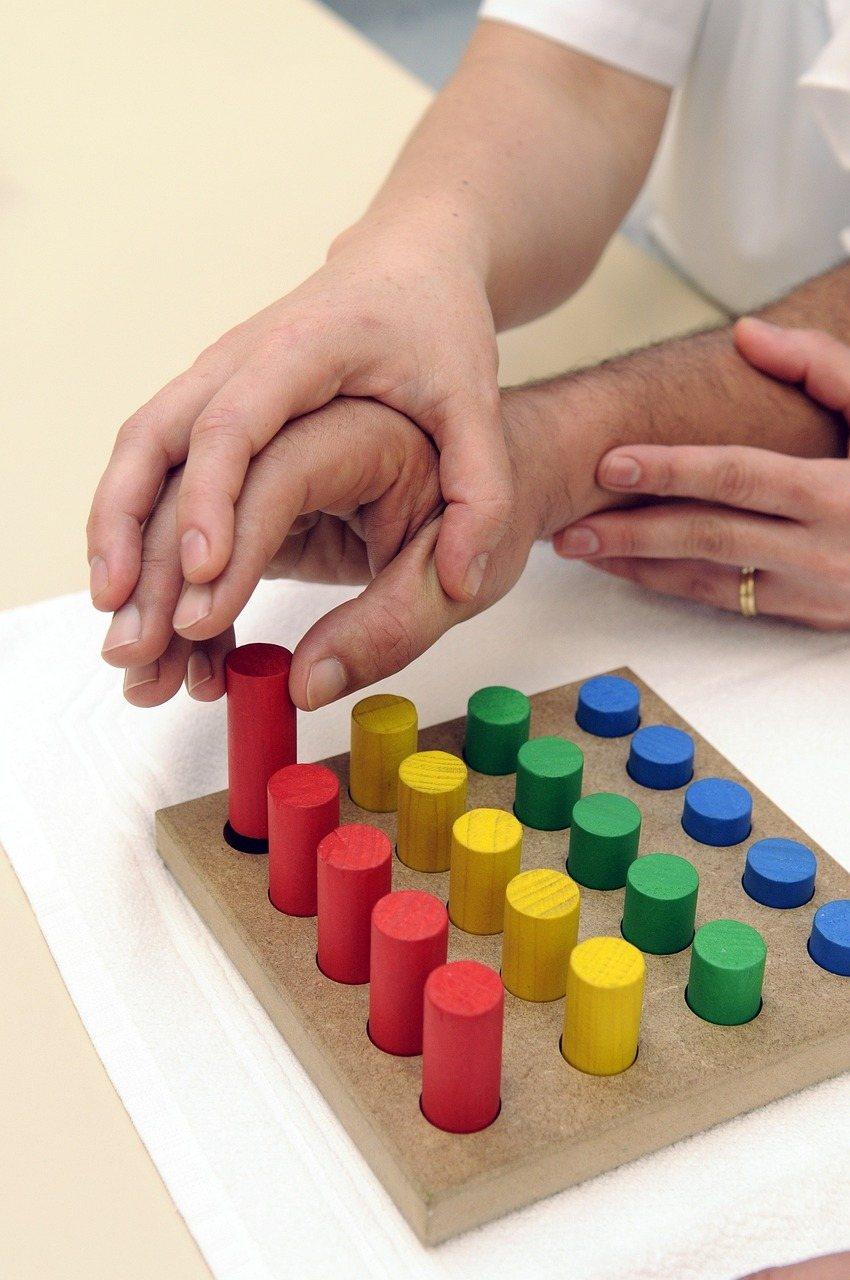
What arthritis is doing to your joints
Arthritis means inflammation or wear in a joint. The most common kind is osteoarthritis, where the smooth cushion at the ends of your bones slowly wears thinner. It often shows up in the knees, hips, hands, neck and low back. If your knees are the main complaint, see our page on knee pain.
Other kinds, like rheumatoid arthritis, come from the immune system and are managed by a doctor. Physical therapy can support people with either type.
The classic signs are stiffness after sitting or sleeping, aching after a busy day, swelling now and then, and a joint that just does not bend like it used to. Here is the tricky part. When a joint hurts, you move it less. When you move it less, the muscles around it weaken and it gets stiffer. Round and round it goes.
How Thrive may help you break the cycle
Joints like motion. Muscles protect joints. That is the heart of physical therapy for arthritis.
Your therapist helps you build strength in the muscles that support your sore joints, like your thighs and hips for a knee, so the joint itself takes less of the load. You work on keeping the joint moving through as much range as it comfortably allows. Balance training may help you feel steadier on your feet, and the recumbent bike is often a friendly way to get stiff knees and hips moving without pounding on them.
Hands on care has a place too. Gentle soft tissue work or a stretching session may help the tight muscles around an achy joint relax. Your provider will tell you what is right for you.
- Strength work for the muscles that protect your joints
- Gentle movement to fight morning stiffness
- Balance training to help you feel steady
- Low impact options like the recumbent bike
- Tips for stairs, chairs, car transfers and daily chores
Your first visit, step by step
You start with a physical therapy evaluation. Your therapist asks which joints bother you, when they are worst, and what everyday things have gotten hard. Kneeling to pray. Getting down on the floor with the grandkids. Walking to the end of the block.
Then they check how far your joints bend, how strong the muscles around them are, and how you walk, sit and stand. You leave with a plan and a few simple exercises you can do at home, even on stiff mornings.
When to see your doctor first
Arthritis flares are common, but some signs need a doctor before therapy. Get checked if a joint suddenly becomes hot, red and very swollen, if you have joint pain with a fever, if you cannot put weight on a leg after a fall, if numbness or weakness is spreading, or if you have severe pain with no clear reason. If you have had a joint replacement recently, follow your surgeon's instructions about when to start therapy, and see our post surgical rehab page.
Insurance, investment and how to book
We accept all major insurance plans and we verify your benefits for you before your first visit. Physical therapy through insurance usually needs a doctor's prescription or referral. Your doctor can fax it, plus any X-ray reports, to (313) 921-6009. Our insurance page explains more.
Self pay physical therapy evaluation and treatment is a $70 investment.
Your joints were made to move. Tap the Book button, or call or text (313) 429-9079 to find a time that works for you.