
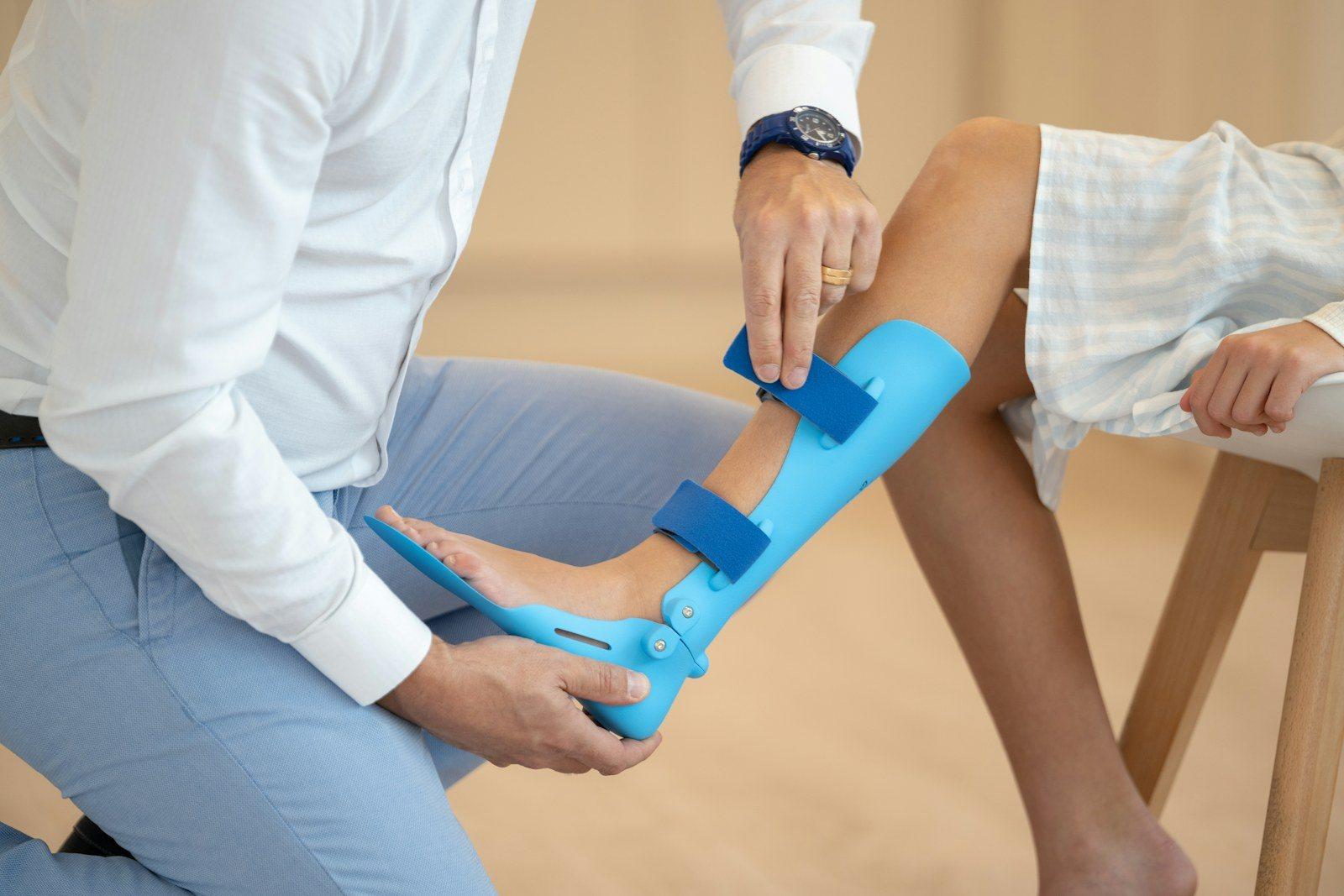
What counts as a sports injury
A sports injury is any hurt that comes from training, competing or just playing hard. Some happen in one bad moment. A cut on the soccer field. An awkward landing off a rebound. Others build slowly over weeks, like a runner's knee that gets a little worse every mile.
You do not need a jersey to have one. The weekend basketball player, the gym regular, the high school wrestler and the dad who coaches Little League all count. If your body hurts because of something you did for sport or fitness, this page is for you.
- Ankle and knee sprains
- Pulled hamstrings, groins and calves
- Shoulder pain from throwing, lifting or swimming
- Tennis elbow and golfer's elbow
- Overuse pain like shin splints and sore Achilles tendons
- Low back strain from lifting or twisting
How Thrive may help you get back out there
Rest alone rarely finishes the job. The pain may fade, but the weak spot stays weak. Then you go back to the court and it happens again. Our goal is to help you recover and move better so that cycle is less likely.
It starts with physical therapy. Your therapist looks at the whole chain, not just the spot that hurts. A sore knee can come from a stiff ankle or a lazy hip. From there you work on strength, balance and control in our rehab gym area, with resistance bands, balance training and a recumbent bike when they fit your plan.
Many athletes also like the hands on side of recovery. Deep tissue massage may help tight, overworked muscles relax. Muscle scraping and cupping are favorites for stubborn spots in the calves, hamstrings and upper back. For some long running tendon problems, like a cranky elbow or heel, shockwave therapy may be an option. A stretching session can help if tight hips or hamstrings keep holding you back. Your provider will tell you if any of these are right for you.
What your first visit looks like
Your first visit is a physical therapy evaluation. Your therapist asks what happened, what sport you play, what hurts and what you want to get back to. Then they watch you move. They may check how you squat, balance on one leg, reach overhead or step down from a box.
After that, you talk through a plan in plain words. You will likely start some treatment that same day and leave with a few simple exercises to do at home. No mystery. You will know what you are working on and why.
When to see a doctor first
Some injuries need a doctor before they need a therapist. Please get checked right away if any of these apply to you.
- You heard a pop and the joint swelled up fast or feels unstable
- You cannot put any weight on the leg
- You hit your head and feel dizzy, foggy or sick
- Numbness or tingling is spreading
- A bone looks out of place or you suspect a fracture
- Severe pain with no clear reason, or pain with a fever
Insurance, investment and booking
We accept all major insurance plans, and we verify your benefits for you before your first visit. Physical therapy through insurance usually needs a prescription or referral from your doctor. Your doctor can fax it to (313) 921-6009. Learn more on our insurance page.
Prefer self pay? A physical therapy evaluation and treatment visit is a $70 investment. Massage, cupping, scraping and stretching are self pay unless a provider and your insurer confirm otherwise.
Ready to get back in the game? Tap the Book button to pick a time, or call or text (313) 429-9079. We are at 835 Mason St, Suite A-245, on the 2nd floor in Dearborn.