
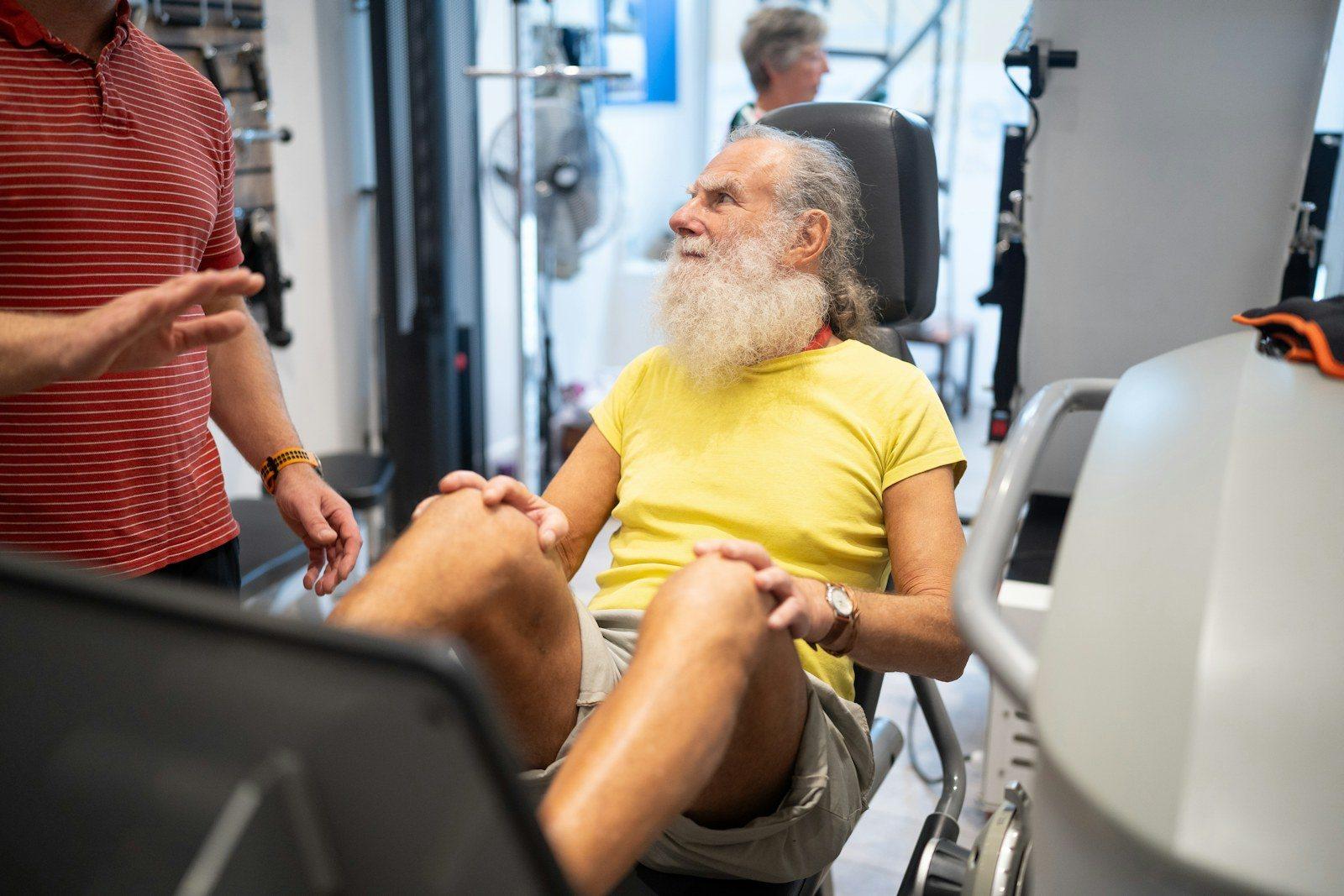
Why rehab after surgery matters
Surgery can repair a joint, a tendon or a ligament. But it cannot do your exercises for you. After an operation, muscles weaken fast, swelling makes joints stiff, and scar tissue can tighten things up if the joint does not move the way your surgeon wants it to.
That is why so many surgeons send their patients to physical therapy afterward. The goal is to help you get back the motion, strength and confidence you need for real life. Walking to the car. Climbing into bed. Reaching into the cabinet. Going back to work.
People often come to rehab after surgeries like these:
- Knee replacement
- Hip replacement
- Shoulder surgery, including rotator cuff repair
- Knee ligament and meniscus surgery
- Spine surgery, once your surgeon clears you for therapy
- Surgery to repair a broken bone
Your surgeon's plan comes first
Every surgery is different, and so is every surgeon. Many send a written protocol that spells out what you can move, how far, how much weight you can put on the leg, and when each new step opens up. We follow it.
Bring your surgeon's instructions to your first visit, or have the office fax them, along with your prescription, to (313) 921-6009. If anything in your recovery looks off, your therapist will tell you and point you back to your surgeon. We never push past what your surgeon has cleared.
How Thrive may help you rebuild
Early on, the focus is usually on calming swelling, getting the joint moving within your surgeon's limits, and waking up muscles that went quiet after the operation. As you heal, the plan builds. More strength. Better balance. Longer walks. Stairs. The things you actually need to do at home and at work.
Our rehab gym area has parallel bars for steady walking practice, resistance bands for strength, balance training and a recumbent bike that many knee and hip patients use to work on motion. Your physical therapy plan changes as you do. Once you have healed and your surgeon clears it, some people add hands on care like a stretching session or massage therapy for tight muscles. Your provider will tell you what is right for you and when.
- Motion work within the limits your surgeon sets
- Strength training that builds week by week
- Walking, stairs and balance practice, starting at the parallel bars if you need them
- Tips for getting in and out of bed, the car and the shower more safely
- Regular check ins on your progress, explained in plain words
What your first visit looks like
Your first visit is a physical therapy evaluation. Your therapist reviews your surgery, your surgeon's instructions and how things have gone since you got home. They ask about pain, sleep, swelling and what feels hardest right now.
Then they gently measure how far the joint moves, check your strength, look at the area around the incision and watch how you walk or use your arm. You leave with a plan and a few safe exercises to do at home. Doing them between visits matters as much as the time you spend in the clinic.
Warning signs: call your surgeon or 911
Some soreness and swelling after surgery is expected. Some signs are not. Call your surgeon right away if you notice any of these, and call 911 for chest pain or trouble breathing.
- Chest pain, shortness of breath or coughing up blood (call 911)
- Pain, swelling or warmth in the calf
- Redness, warmth, drainage or a bad smell from the incision
- A fever or chills
- Pain that suddenly gets much worse, or a joint that suddenly looks or feels out of place
- New numbness or weakness that is spreading
Insurance, investment and booking
We accept all major insurance plans, and we verify your benefits for you before your first visit. Rehab through insurance usually needs a prescription or referral from your surgeon or doctor. See our insurance page for details, and our physician referral page for what your surgeon's office can fax to us.
Self pay physical therapy evaluation and treatment is a $70 investment.
Surgery was step one. Tap the Book button to start step two, or call or text (313) 429-9079. If your surgery was very recent, please call before booking so we can make sure the timing fits your surgeon's plan.